
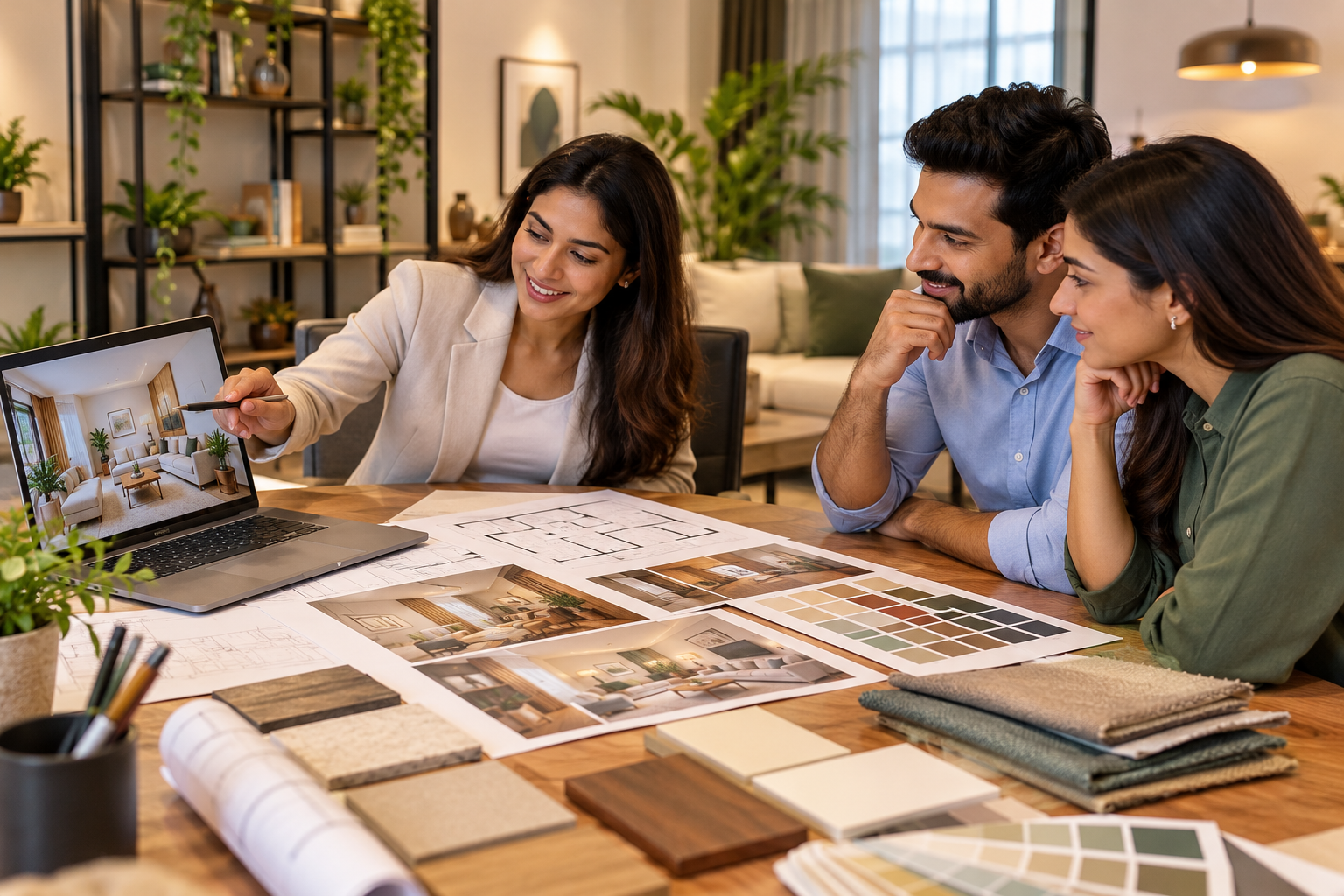
Planning a new home or office sounds exciting, but making all the design decisions can quickly become confusing. You may have ideas about how you want your space to look, but choosing the right layout, furniture, colours, materials and lighting is not always easy.
This is where design consultation can help. It gives you the opportunity to discuss your ideas with a design professional, understand what will work best for your space and plan things before making major decisions.
Whether you are setting up a new home, renovating an existing property or planning an office in Gurugram, a design consultation can help you get started with more clarity.
What Is Design Consultation?
Design consultation is a process in which an interior design professional understands your requirements and provides guidance on planning and improving your space.
It usually includes discussions about your lifestyle, preferences, available space, budget and design expectations. Based on these details, the consultant suggests suitable layouts, furniture arrangements, colours, materials and other design elements.
The purpose is not simply to make a room look attractive. It is also about making sure the space is comfortable, practical and suitable for the people using it.
A good consultation helps you understand your options before you spend money on furniture, materials or renovation work.
What Does a Design Consultation Include?
Every project is different, so the consultation process may vary depending on the size of the space and your requirements. However, some areas are commonly discussed.
1. Space Planning
Before selecting furniture or deciding on colours, it is important to understand how the available space can be used.
Space planning focuses on the arrangement of rooms, furniture and movement areas. It helps avoid overcrowding and makes everyday activities more comfortable.
For example, in a small apartment, the right furniture placement can make the rooms feel more open. In an office, proper planning can help create separate areas for employees, meetings and collaboration.
2. Design and Material Selection
Choosing materials and finishes can be difficult because there are so many options available.
During a consultation, you can discuss flooring, wall finishes, furniture materials, colours and other design elements. A professional can help you select options that match your preferences while keeping practicality and maintenance in mind.
The idea is to create a consistent look rather than selecting everything separately without considering how it will work together.
3. Styling and Decoration
Small details can make a noticeable difference to the overall appearance of a space.
Styling may include suggestions for curtains, lighting, rugs, artwork, decorative pieces and accessories. These elements help bring the different parts of a room together.
You do not always need expensive decoration to improve a space. Sometimes, a few thoughtful changes are enough.
Design Consultation vs Full-Service Interior Design
Many people assume that booking a design consultation means they have to take a complete interior design package. That is not necessarily the case.
A design consultation mainly focuses on guidance, ideas and helping you make the right decisions. It can be useful if you want professional suggestions but prefer to manage the execution yourself.
Full-service interior design generally involves a more detailed process. This may include design planning, material selection, drawings, coordination with vendors and supervision of the execution, depending on the agreed scope of work.
The right option depends on how much support you need and how involved you want to be in the project.
How Does the Design Consultation Process Work?
A design consultation usually begins with a conversation. The designer needs to understand what you want before suggesting anything.
Here is how the process generally works.
1. Understanding Your Requirements
The first step is discussing your needs and expectations.
For a home, this may include your family size, daily routine, storage requirements and preferred design style. For an office, the discussion may focus on the number of employees, workspace requirements, meeting areas and the overall working environment.
This helps the designer understand what the space needs to offer.
2. Developing Design Ideas
Once the requirements are clear, the designer starts exploring suitable ideas.
This may include layout suggestions, furniture arrangements, colour combinations and material options. The recommendations are based on the available space and the overall look you want to achieve.
You can also share reference images or designs that you like to help explain your preferences.
3. Getting Design Recommendations
At this stage, you receive suggestions about different elements of the space.
These may include furniture, lighting, wall colours, flooring, storage and decorative items. The designer can also explain which options are more practical for your requirements.
You can discuss these suggestions and make changes based on your preferences.
4. Planning the Budget
Budget is an important part of any interior project.
A design consultation can help you understand where spending more may be worthwhile and where you can choose simpler alternatives. For example, you may want to invest in good-quality furniture for everyday use while keeping decorative elements within a smaller budget.
Having a clear idea of your spending limits from the beginning can help avoid unnecessary expenses later.
5. Planning the Next Steps
Once the major design decisions are discussed, you can understand what needs to happen next.
Depending on the project, this may involve finalising layouts, selecting materials, arranging furniture or planning renovation work. If you choose a full-service solution, the next steps may also include execution and coordination.
Benefits of Taking a Design Consultation
A design consultation can be useful even if you already have a general idea of how you want your space to look.
Some of its key benefits include:
A more personalised approach: Your space is planned around your lifestyle, requirements and preferences instead of following a standard design.
Better use of available space: Professional guidance can help you make practical use of every area, especially in smaller homes and offices.
Help with design decisions: You can discuss different materials, colours, furniture and layouts before finalising anything.
Better budget planning: Understanding your priorities can help you decide where to spend and where to save.
Fewer avoidable mistakes: Planning things in advance can reduce the chances of choosing unsuitable furniture, materials or layouts.
Common Interior Design Mistakes to Avoid
People often make design decisions one at a time without considering the overall space. This can lead to problems once everything comes together.
Here are a few common mistakes worth avoiding:
- Buying furniture before planning the layout: A sofa or dining table may look good in a showroom but may not fit comfortably in your room.
- Choosing colours separately: Wall colours, flooring and furniture should work together to create a balanced look.
- Ignoring lighting: A room can look very different depending on its natural and artificial lighting.
- Spending without setting priorities: It is easy to overspend on decorative items while overlooking practical requirements.
- Starting renovation without a clear plan: Making changes during the work can increase both the cost and the time required.
Discussing these details during a consultation can help you make more informed choices.
Who Should Consider a Design Consultation?
Design consultation is not limited to people building expensive homes. It can be useful for different types of spaces and budgets.
You may consider booking one if:
- You have purchased a new home and want to plan its interiors.
- You are renovating your existing house or apartment.
- You have design ideas but are unsure how to bring them together.
- You are planning a new office, studio or commercial space.
- You want to make better use of a small or awkwardly shaped room.
- You want to include traditional design principles alongside modern interiors.
Some homeowners also prefer to consider Vaastu principles while planning their interiors. Discussing these preferences early can help the designer understand what matters to you.
How to Prepare for Your First Design Consultation
You do not need to have everything figured out before meeting a designer. However, a little preparation can make the discussion more useful.
Here are a few things you can keep ready:
- Collect inspiration: Save pictures of rooms, furniture and designs that you like. They will help explain your preferences.
- Share your floor plan: If you have a floor plan or room measurements, keep them ready.
- Explain your daily routine: Tell the designer how you use the space and what is currently not working.
- Decide your budget range: You do not need an exact figure, but having a rough budget helps set realistic expectations.
- List your priorities: Separate the things you really need from the features you would simply like to have.
- Be clear about your timeline: Mention when you want the project to begin and whether there are any important deadlines.
The more clearly you explain your expectations, the easier it becomes for the designer to suggest suitable solutions.
Why Consider Fliipspace for Design Consultation in Gurugram?
Fliipspace by Jiggyasa and Utkarsh is a design studio in Gurugram that focuses on creating spaces that are practical, comfortable and thoughtfully planned.
The approach begins with understanding the people who will use the space. Instead of rushing into design suggestions, the focus is on listening to your requirements, understanding your preferences and discussing ideas that suit your needs.
Whether you are planning a home or an office, the aim is to bring together functionality and aesthetics. The team also understands that every client has different expectations, budgets and design preferences.
For those who want to consider traditional principles along with modern interiors, Vaastu consultation is also available.
You can explore the Fliipspace Design Consultation page to learn more about the service.
Final Thoughts
Good design starts with understanding the space and the people who will use it. A design consultation can help you plan things properly, avoid common mistakes and make decisions with more confidence before starting the actual work.
If you are planning a new home or office in Gurugram, the right design guidance can make the entire process easier and more organised.